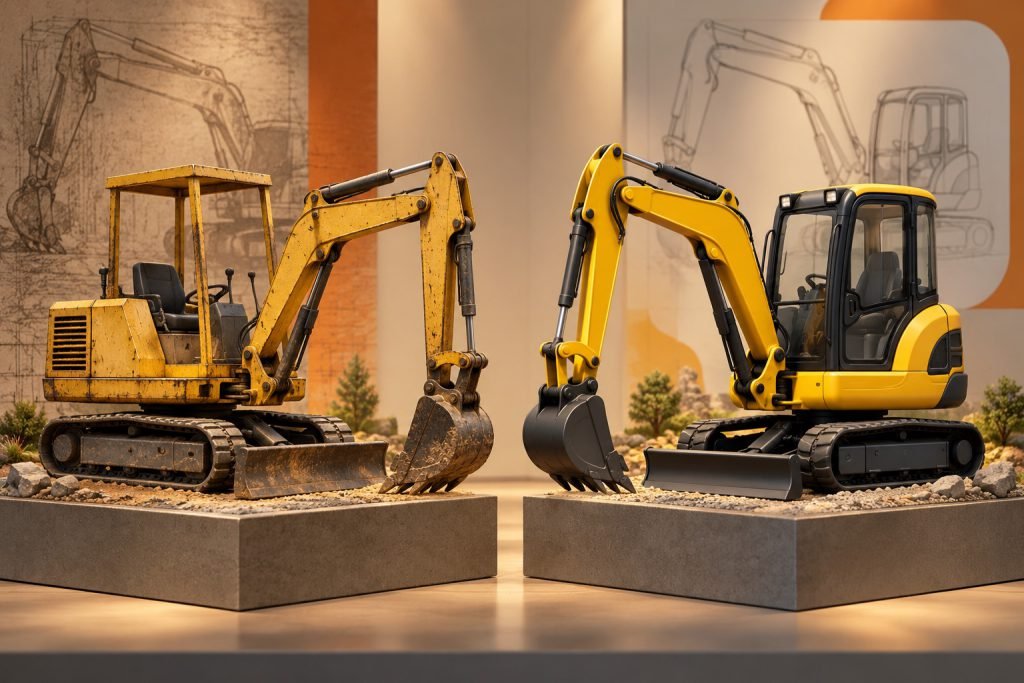
Compare the represented machine and the miniature’s actual execution before using release date as a buying shortcut. A new product can add a useful function, omit an accessory or simply represent a different machine.
Separate three kinds of change
A different real-machine generation changes the collection’s subject. A revised miniature casting can change details or movement. A new package or finish may change neither. Record which kind of difference is documented before deciding that one release replaces another.
Ask what matters in your display
If the collection follows a particular fleet period, an older machine may be the right subject. If the display depends on an opening compartment or removable tool, exact miniature functionality matters more. If it is a parked lineup, silhouette and finish may dominate. These are separate reasons to choose; do not collapse them into “newer is better”.
Check what carries over and what does not
Do not inherit an operator, attachment or movement claim from an earlier model merely because the brand and scale match. The 352 and 395 ME differ in documented contents and tool arrangements. They are not successive versions of one identical product.
Compare evidence from the actual sale
An old review describes its inspected sample at that time. A current seller may offer a different condition or package. Check photographs, identity and contents, and compare delivered costs on the same basis. Avoid treating an older price opinion as a current value judgment. Keep the earlier release if it best serves the collection; buy the newer one only when its specific difference is useful.
Exact-model reference: 85792 sample inspection, 85959 sample inspection. These examples do not establish behavior for every model.