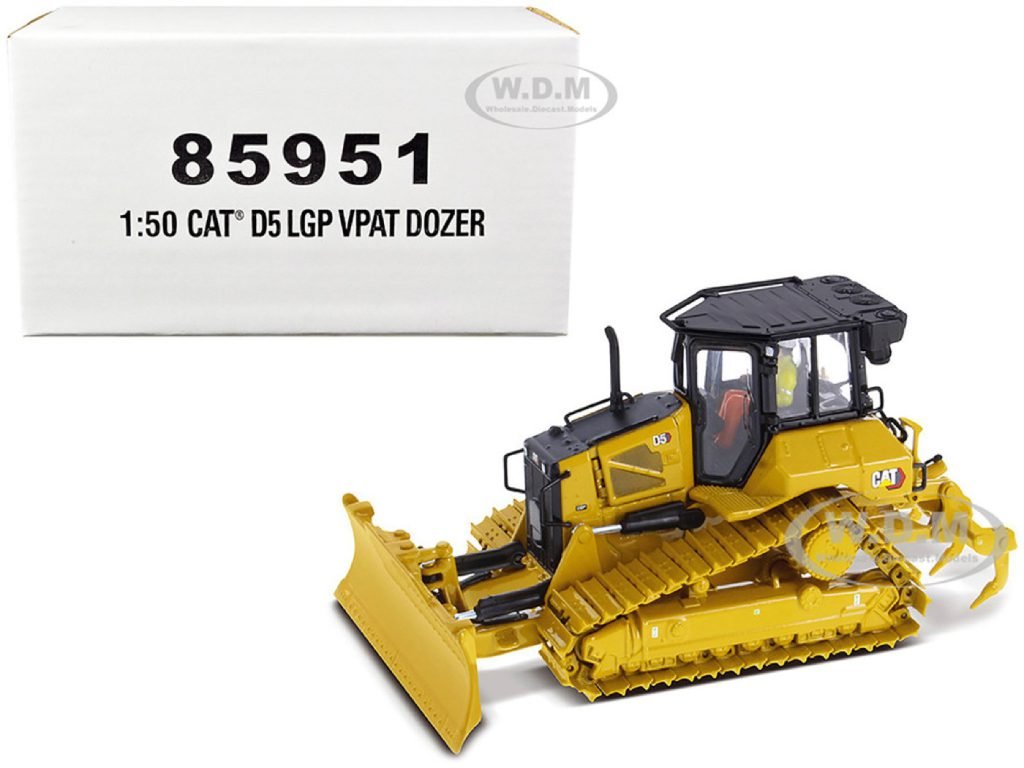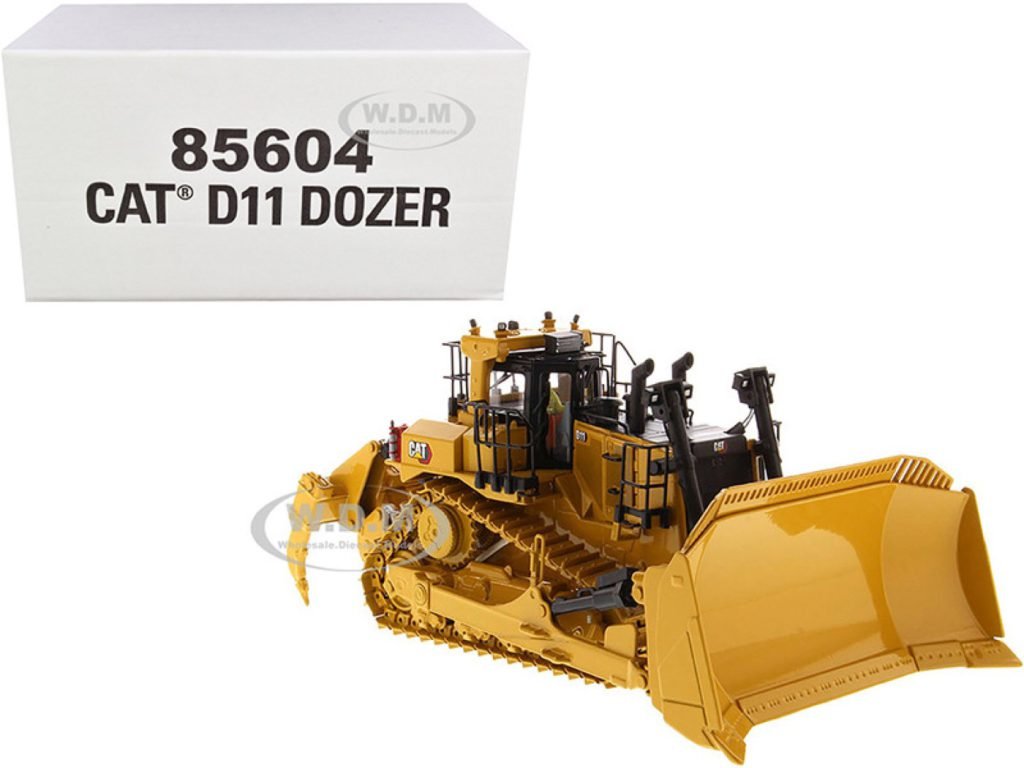

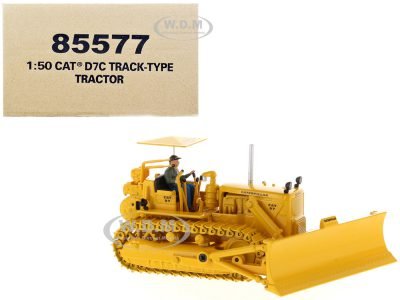
Choose a dozer by the detail that will remain visible in its real display position. These three candidates offer different focal points: modern opening access, a triple-ripper rear assembly, and an open period operating position. The list is deliberately conditional; it does not rank machine size or infer miniature performance.
Try the viewing position first
Before selecting a model, place an empty card or plain block where it will stand. Look from the normal seated or standing height. A low rear view, a high side view and a front-only cabinet each favor different details. This simple layout decision is yours to make; it is not a claim that the models have been tested in your cabinet.
Close side view
The D5’s opening panels are relevant when the viewer can see inside.
Clear rear quarter
The D11 Fusion’s three-shank arrangement deserves room behind it.
Readable period silhouette
The D7C’s open operator position can explain the historical subject without an opened engine.
The D5 review keeps hinge and ripper concerns visible. The D11 review separates its release code from an older casting number. The D7C review explains why a fixed figure and screw-set blade are meaningful purchase boundaries. Read those qualifications before treating the role label as a blanket endorsement.
When none of these is the right shortlist
A collector seeking powered operation, interchangeable blades or demonstrated pulling ability needs different evidence. An unobstructed display detail is a worthwhile criterion on its own; it should not be dressed up as a capability test.